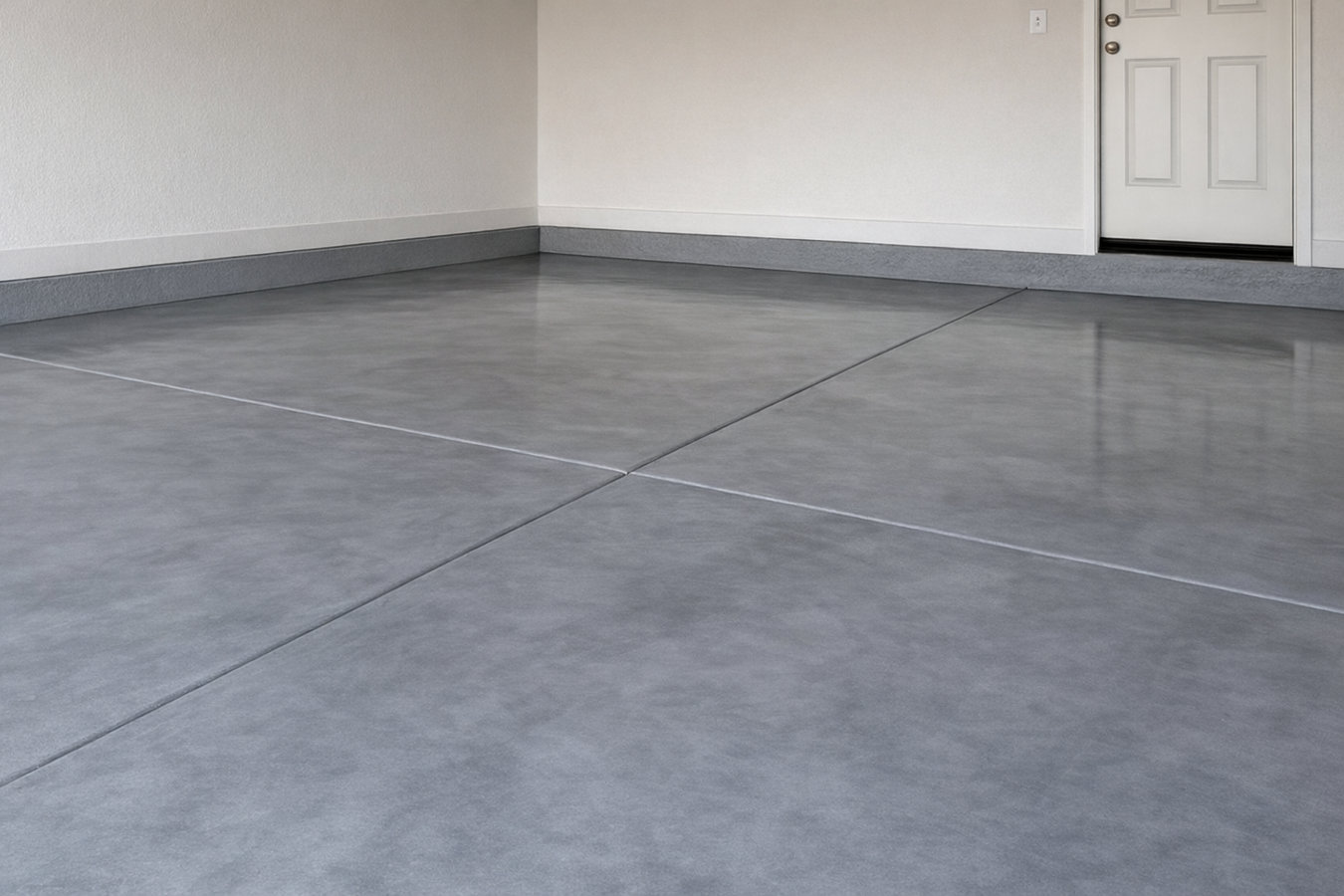
Cracked slab, aging garage floor, or a new ADU - we pour concrete floors in Fountain Valley built for local soil conditions and backed by proper permits.
Concrete floor installation in Fountain Valley covers the full process from removing the old slab through compacting the base, pouring, and finishing - most residential jobs run one to three days on-site, with costs typically ranging from $6 to $12 per square foot depending on size, finish, and whether an existing slab needs to come out first.
Most of Fountain Valley's homes were built in the 1960s through 1980s, which means a large share of original garage and patio slabs are now 40 to 60 years old. If your floor is cracking, water is pooling, or the surface is starting to flake, replacement is usually more cost-effective than patching. Homeowners adding an ADU or converting a garage to living space frequently need new concrete floors as part of that project, and this work often connects to garage floor concrete work when coatings or specialized finishes are part of the plan.
We handle permits through the City of Fountain Valley, prepare the base correctly for local clay soils, and give you a written price before anyone picks up a shovel. Call us and we will come out, assess the ground, and give you a number you can plan around.
Small hairline cracks in concrete are common and often harmless. But cracks wider than a quarter-inch, cracks that have grown since you last checked, or cracks where one side sits higher than the other signal a structural problem. In Fountain Valley, this pattern is especially common in homes where clay soil has been shifting through years of wet and dry cycles.
A properly installed concrete floor is slightly sloped so water drains away from the house. If you see standing water after rain - or after washing the floor - the slab has either settled unevenly or was never graded correctly. Left alone, that water works its way into cracks and accelerates the damage.
When the top layer of a concrete floor starts to peel or crumble - called spalling - it usually means the surface was finished too quickly or the mix was not right. Once it starts, it tends to spread. A floor in this condition cannot be patched back to full strength. It needs to be replaced.
Most of Fountain Valley's homes were built in the 1960s through 1980s, which means many original garage and patio slabs are well past their expected lifespan. If your slab is that old and you are noticing unevenness, cracking, or drainage problems, it is worth having a contractor take a look before the damage gets severe.
We pour residential concrete floors for garages, patios, covered outdoor areas, ADUs, and interior additions. Every job starts with proper base preparation - the soil compaction and gravel layer that keeps the slab stable through Fountain Valley's seasonal clay-soil movement. For homeowners who want more than plain gray concrete, we also offer decorative options including concrete pool decks with textured or stamped finishes, and we handle the full permit process with Fountain Valley's Building Division on every project.
Decorative finishes - stamped patterns, integral color, exposed aggregate, or polished surfaces - need to be part of the plan before the pour, not after. We walk you through those options during the estimate so the final result is exactly what you pictured. If you are replacing an original slab in a home built before 1980, we will also tell you upfront what we might find underneath and how we handle it.
Best for homeowners replacing an original 1960s or 1970s slab or building a new garage - poured four to six inches thick depending on load.
For covered patios, back yards, and exterior living areas - sloped for drainage and finished to your preference.
Ideal for homeowners adding an accessory dwelling unit or converting a garage to living space where a new interior slab is required.
Stamped patterns, integral color, exposed aggregate, or a polished surface - all designed before the pour, not after.
Fountain Valley's housing stock is largely from the 1960s and 1970s, and a big share of original concrete floors have never been replaced. Clay-rich soil under many of these properties expands when wet and shrinks when dry, which is one of the main reasons slabs here develop cracks that other areas do not see as quickly. Good base preparation is not optional on a Fountain Valley project - it is what separates a floor that lasts from one that needs attention again in five years. The city's mild but wet winters also mean a new slab should be poured and cured before the first heavy rains arrive, so scheduling early in the fall or during summer is the practical choice.
Fountain Valley's proximity to the coast - about four miles from Huntington Beach - also means marine humidity can slow surface curing on a humid day if the contractor is not watching for it. We account for that in how we time the finishing work. We serve homeowners across Fountain Valley and neighboring cities, including Santa Ana and Garden Grove, where the same clay soil and aging housing conditions apply. The City of Fountain Valley Building Division requires permits for most slab work - we handle that from start to finish.
We reply within one business day and ask about the area, intended use, and whether there is an existing slab to remove. Most projects get a site visit before a firm price - ground conditions and access both affect cost. You receive a written estimate that breaks out labor, materials, and permit fees separately.
We pull the building permit from Fountain Valley's Building Division before work begins. We handle the application - you should ask for a copy of the permit number before the crew shows up so you have a record from day one.
The crew removes existing concrete, excavates to the correct depth, compacts the soil, and lays a gravel base. In Fountain Valley's clay-soil areas, this step takes extra care - it is what separates a floor that lasts 30 years from one that cracks in five.
Concrete is poured in one continuous session, finished to your specification, and cured properly. A city inspector visits to close the permit. Light foot traffic is fine after 24 to 48 hours - parking a car on a new garage slab waits at least one week.
Free written estimate. Permits handled. No cost to ask questions.
(714) 386-7308Fountain Valley's clay-rich ground expands and contracts with the seasons, and rushed base work is why slabs here crack early. We compact the soil and lay the gravel base correctly on every job - it is the step that determines whether your floor is still flat in ten years.
We submit the application to Fountain Valley's Building Division and track it through approval. The permit inspection gives you a city-verified record of the work - paperwork that matters when you sell your home or refinance.
A large portion of Fountain Valley's neighborhoods have active HOA rules on exterior concrete work. We ask about HOA requirements before the first shovel goes in and can help you prepare the approval request so there are no surprises after the work is done.
We give you a written quote that accounts for your specific site conditions before we commit to a number - including what we find when we assess the ground. No sticker shock when the job is done.
Every floor we pour in Fountain Valley follows the same process: proper base prep, the right mix for a coastal climate, and curing handled correctly from the start. The American Society of Concrete Contractors sets the standards we follow so your floor looks right and holds up long after the crew leaves. Checking how a reputable concrete contractor in a nearby market handles the same project is one practical way to calibrate what good work looks like.
Extend your outdoor concrete work to the pool area with a durable deck that handles foot traffic and Fountain Valley's coastal sun.
Learn moreFocused garage slab work with coatings and finishes designed for vehicle traffic and the wear of daily use.
Learn moreMost projects can be permitted and scheduled within two to three weeks - reach out now to lock in your spot before the season fills up.